
In a world dominated by rapid technological advancements and ever-changing trends, one marketing strategy has stood the test of time: nostalgia. By tapping into the emotional power of the past, brands can create deeply resonant campaigns that cut through the noise and build lasting connections with their audiences. Here, we’ll explore the power of nostalgia marketing, showcase recent success stories, and share practical tips for leveraging this timeless approach.
Why Nostalgia Marketing Works
Nostalgia marketing is effective because it taps into positive memories and emotions, creating a powerful emotional connection that can drive brand loyalty and influence purchasing decisions. Research shows that nostalgia makes people feel more connected to others, reduces stress, and even makes them more willing to spend. This psychological effect can be a game-changer for brands looking to stand out in competitive markets.
Recent Examples of Nostalgia Marketing Success
1. Star Wars: Episode III – Revenge of the Sith Re-Release
To commemorate its 20th anniversary, Star Wars: Episode III – Revenge of the Sith returned to cinemas on 25 April 2025. This re-release wasn’t just a trip down memory lane – it was a box office triumph, grossing $42.2 million worldwide, including $25.2 million in the U.S. (livenowfox.com). This success underscores the enduring appeal of the Star Wars saga and the power of nostalgia to draw audiences back to theatres.
2. The Elder Scrolls IV: Oblivion Remastered
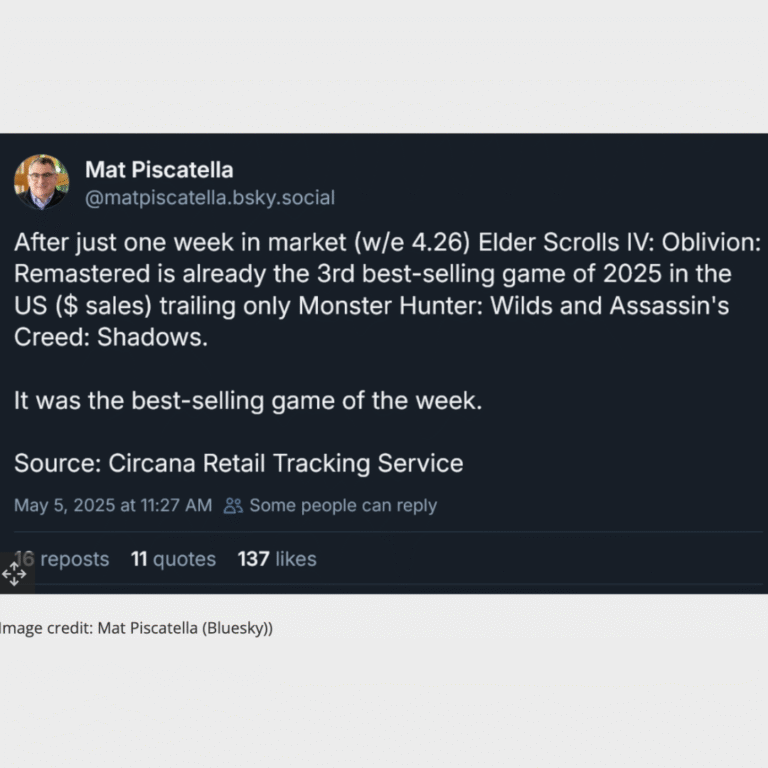
Bethesda’s surprise launch of The Elder Scrolls IV: Oblivion Remastered on 22 April 2025 reignited excitement among gamers. Built on Unreal Engine 5 for enhanced graphics and gameplay, the remaster quickly became the third-best-selling game of the year in the U.S. (gamespot.com). This move not only catered to long-time fans but also introduced a classic to a new generation, demonstrating the commercial viability of reviving beloved titles.

Why Brands Use Nostalgia Marketing
- Emotional Connection – Nostalgia triggers positive memories, making audiences more receptive to brand messages.
- Brand Differentiation – In crowded markets, nostalgic elements help brands stand out by offering a unique, familiar experience.
- Trust and Loyalty – Familiarity breeds trust. When consumers see elements they recognise and remember, it builds credibility faster than newer, untested ideas.
How to Use Nostalgia Marketing in Your Campaigns
- Know Your Audience – Understand the cultural touchpoints that resonate with your target demographic. Are they 80s kids, 90s gamers, or 2000s tech enthusiasts?
- Mix Old with New – Combine nostalgic elements with modern trends to create something fresh yet familiar. This approach works particularly well in digital and social media campaigns.
- Be Authentic – Consumers can sense inauthenticity. Make sure your nostalgic references align with your brand’s values and story.
- Leverage User-Generated Content (UGC) – Encourage your audience to share their own nostalgic moments related to your brand or industry. This can create a powerful sense of community and engagement.
Conclusion – The Timeless Power of Nostalgia
Nostalgia marketing isn’t just about looking back – it’s about creating a bridge between the past and the present. It’s a way to connect with your audience on a deeper level, driving loyalty and emotional resonance that more transient trends often struggle to achieve.
At Furthermore Marketing, we understand the power of meaningful connections. If you’re ready to harness the power of nostalgia to grow your brand, get in touch – we’re here to help you turn memories into marketing success.