
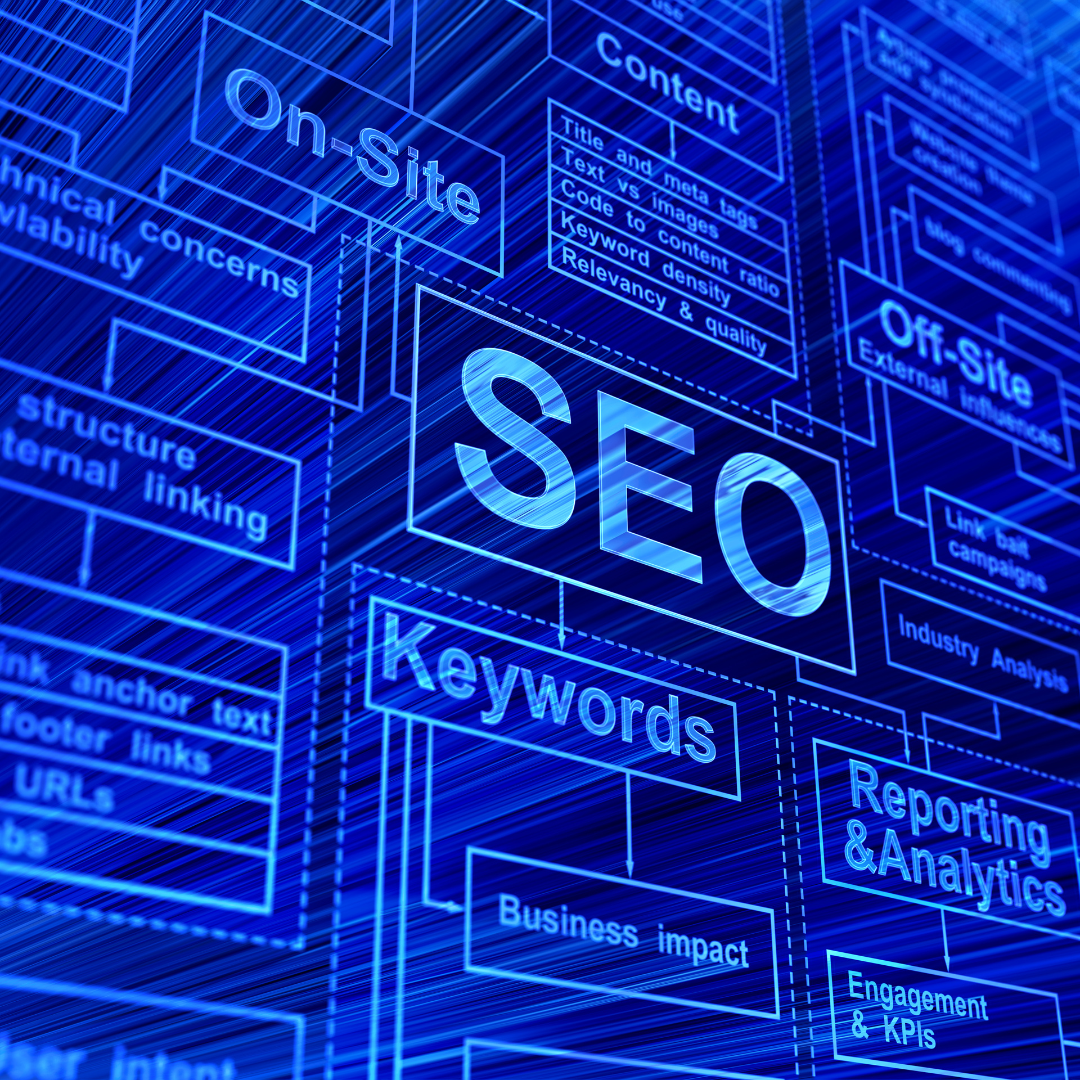
In the ever-evolving world of digital marketing, few areas are experiencing as much rapid change as search engine optimisation (SEO). As artificial intelligence (AI) continues to reshape how search engines operate and how users find information, businesses must adapt to stay competitive. In this article, we’ll explore the impact AI has already had on SEO, the rise of AI-driven search, and what the future might hold for marketers looking to stay ahead of the curve.
How AI Has Already Transformed SEO
AI is no longer just a futuristic concept – it’s a powerful tool that’s already reshaping the SEO landscape. Here are some of the key ways it’s influencing search today:
- Smarter Search Algorithms
- Google’s AI-powered algorithms like RankBrain, BERT, and MUM have fundamentally changed how search results are ranked. These systems use natural language processing (NLP) and machine learning to better understand user intent, context, and meaning.
- This means that simply stuffing keywords into content is no longer effective. Today, it’s about delivering relevant, context-rich content that directly answers user queries.
- Content Creation and Optimisation
- AI tools like ChatGPT and Jasper are increasingly being used to generate optimised content at scale. These platforms can analyse trending keywords, suggest topic ideas, and even write entire articles, dramatically reducing the time needed to produce high-quality content.
- However, relying solely on AI can be risky. Automated content can lack the human touch, creativity, and nuanced understanding that often sets successful brands apart.
- Enhanced User Experience (UX)
- AI isn’t just improving the content we produce – it’s also shaping how users interact with websites. Personalised search results, voice search, and predictive search suggestions all rely on AI to improve user experience.
- This means businesses must focus on fast, mobile-friendly designs and high-quality content that keeps users engaged.
- Data-Driven Insights
- AI is transforming how SEO data is collected and analysed. Platforms like Google Analytics 4 (GA4) and Ahrefs use machine learning to offer deeper insights into user behaviour, traffic sources, and conversion patterns.
- Marketers can now make data-driven decisions faster, allowing for more targeted and effective SEO strategies.
The Rise of AI-Driven Search and Its Impact on SEO
The traditional landscape of search engine optimisation is undergoing a significant transformation due to the advent of AI-powered search tools like ChatGPT, Perplexity, and Google’s own AI Overviews. These platforms are changing how users seek information and how content is discovered online.
Shifting User Behaviour
AI chatbots are increasingly being used for information retrieval, offering concise, conversational answers that reduce the need to click through multiple links. This shift has led to a phenomenon known as “zero-click” searches, where users obtain the information they need directly from the search results page. As a result, websites may experience decreased traffic, challenging the effectiveness of traditional SEO strategies.

Emergence of Answer Engine Optimisation (AEO)
To adapt, marketers are turning to Answer Engine Optimisation (AEO), focusing on optimising content to be featured in AI-generated responses. Unlike traditional SEO, which emphasises keywords and backlinks, AEO requires creating comprehensive, authoritative content that directly answers user queries. This approach aims to increase the likelihood of being cited by AI tools in their responses.
Agencies Adapting to AI Search
Recognising the importance of visibility in AI-driven search results, digital marketing agencies are developing new strategies to optimise content for these platforms. Services like Generative Engine Optimisation (GEO) are emerging, helping businesses tailor their content to align with the algorithms of AI search tools. Agencies are focusing on creating content that AI models deem valuable, ensuring their clients’ information is included in AI-generated answers.

The Challenges and Risks of AI in SEO
While the benefits are clear, the rise of AI also presents some unique challenges for SEO professionals:
- Algorithm Unpredictability: As AI algorithms evolve, they can become more opaque, making it harder for marketers to predict rankings and optimise effectively.
- Content Saturation: As more companies leverage AI for content creation, standing out in a sea of automated articles becomes more challenging.
- Ethical Considerations: AI tools can sometimes produce biased or inaccurate content, potentially harming a brand’s reputation if not carefully monitored.
What the Future Holds for SEO in an AI-Driven World
Looking ahead, several key trends are likely to shape the future of SEO:
- Hyper-Personalisation: AI will continue to push search engines towards delivering highly personalised results based on individual user behaviour, preferences, and search history.
- Voice and Visual Search: As smart devices and visual search tools like Google Lens gain popularity, optimising for these new search formats will become essential.
- AI-Driven Content Optimisation: Expect to see more advanced tools that can not only generate content but optimise it in real time based on user intent and engagement data.
- E-E-A-T (Experience, Expertise, Authoritativeness, Trustworthiness): As AI-generated content becomes more widespread, search engines will likely place even greater emphasis on trustworthy, expert-authored content.
Conclusion: Adapting to an AI-First World
As AI continues to reshape the digital landscape, the fundamentals of SEO will remain crucial, but the strategies we use to achieve results must evolve. Marketers will need to strike a balance between leveraging AI for efficiency and maintaining the human touch that builds real brand connections.
At Furthermore Marketing, we’re committed to staying ahead of these trends, helping our clients navigate the future of SEO with confidence. Whether you’re looking to improve your rankings, optimise your content, or gain deeper insights into your audience, we’re here to guide you through the AI revolution.
Ready to future-proof your SEO strategy? Get in touch with us today.